You Won’t Believe How Sleep Transformed My Health – A Beginner’s Real Story
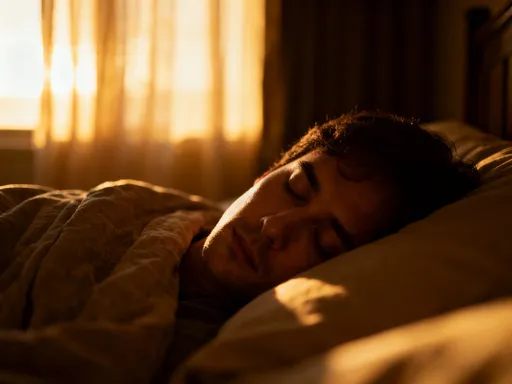
Getting enough sleep changed everything — my energy, mood, and focus. I used to ignore rest, thinking it was optional. But after tracking my body’s signals, I saw how deeply sleep affects health. From morning alertness to skin clarity, the shifts were real. This isn’t a quick fix — it’s about tuning into what your body tells you. If you’re tired all day, this journey might mirror yours. What began as a simple desire to feel more awake turned into a profound shift in how I care for myself. Sleep, once dismissed as downtime, became the foundation of my well-being.
The Wake-Up Call: When My Body Started Sending Red Flags
For years, I treated sleep like an afterthought — something to squeeze in if time allowed, often sacrificed for late-night chores, scrolling through my phone, or catching up on work. I believed that pushing through fatigue was a sign of strength, a badge of being a productive adult juggling family, home, and responsibilities. Coffee became my daily companion, and naps — when I could steal them — were my lifeline. But over time, the cost became impossible to ignore. Constant fatigue settled in, not the kind that a good night’s rest could fix, but a deep, persistent exhaustion that lingered even after eight hours in bed.
Then came the brain fog. I would stand in the kitchen, staring into the open fridge, forgetting why I’d walked in. Names slipped my mind mid-conversation. I found myself re-reading the same paragraph multiple times, unable to retain what I’d just read. My mood became unpredictable — small frustrations triggered disproportionate reactions. I snapped at my children over spilled milk, regretting it moments later. At the same time, I started getting sick more often. Colds that used to pass in a few days now dragged on for weeks. My immune system, it seemed, was running on empty.
It wasn’t until I fell asleep at my desk during a quiet afternoon that I realized something had to change. I wasn’t just tired — I was signaling a deeper imbalance. Research confirms what my body had been trying to tell me: chronic sleep deprivation weakens the immune system, disrupts hormone regulation, and impairs cognitive function. Cortisol, the stress hormone, rises when we don’t sleep well, while melatonin, which regulates sleep, drops. Insulin sensitivity decreases, increasing the risk of weight gain and type 2 diabetes. These aren’t abstract risks — they are real, measurable consequences of poor rest. That moment at my desk was my wake-up call. I decided to stop treating sleep as a luxury and start seeing it for what it truly is: a non-negotiable pillar of health.
What “Adequate Sleep” Really Means (It’s Not Just 8 Hours)
Like many people, I used to think that as long as I spent eight hours in bed, I was doing fine. But I’ve learned that sleep quality matters just as much — if not more — than quantity. Adequate sleep isn’t just about the number on the clock; it’s about how you feel when you’re awake. Do you wake up naturally, without the jarring sound of an alarm? Are you able to stay alert throughout the morning without reaching for caffeine? Can you manage your emotions and stay focused on tasks? These are the real markers of restorative sleep.
The National Sleep Foundation recommends 7 to 9 hours of sleep per night for adults, but that range is only part of the picture. Consistency is equally important. Going to bed and waking up at roughly the same time every day — even on weekends — helps regulate your circadian rhythm, the internal clock that governs your sleep-wake cycle. When this rhythm is stable, your body knows when to release sleep-promoting hormones like melatonin and when to boost alertness with cortisol. I used to stay up late on weekends and sleep in the next morning, thinking I was “catching up.” But science shows that this kind of irregularity — often called social jet lag — can be just as disruptive as chronic sleep loss.
Another misconception I had to unlearn was the idea that sleep is passive. In reality, sleep is an active, dynamic process made up of different stages — light sleep, deep sleep, and REM sleep — each serving a unique purpose. Deep sleep is essential for physical recovery and immune function, while REM sleep supports emotional regulation and memory consolidation. If you’re waking up frequently, sleeping in a noisy environment, or exposed to light at night, you may not be cycling through these stages effectively. That’s why I began paying attention not just to how long I slept, but to how restful it felt. I stopped chasing the number and started focusing on the quality — and the difference was remarkable.
Hidden Signals: How Your Body Tracks Sleep Health
Our bodies are constantly sending signals about our health, but we often overlook them, especially when they seem minor. Dark under-eye circles, for instance, are more than a cosmetic concern — they can indicate poor circulation or fluid retention linked to disrupted sleep. Frequent yawning during the day, even after a full night in bed, suggests your sleep may not be restorative. I started paying attention to these subtle clues and began journaling my daily experiences: energy levels, digestion, mood, and mental clarity. Within a week, patterns emerged that I had previously dismissed as random.
One of the most telling signs was the afternoon crash — that mid-afternoon slump where I felt suddenly drained and reached for sugary snacks or another cup of coffee. I used to blame it on lunch, but I noticed it happened less often on days when I had slept well. Research explains this: poor sleep affects insulin sensitivity and increases cravings for high-carbohydrate foods. When you’re sleep-deprived, your body seeks quick energy, leading to blood sugar spikes and crashes. By improving my sleep, I found that my energy remained more stable throughout the day, and my appetite became easier to manage.
Skin health was another unexpected indicator. I noticed that on nights when I slept poorly, I was more likely to wake up with breakouts or dull skin. This isn’t just anecdotal — studies show that sleep deprivation increases cortisol levels, which can trigger inflammation and worsen conditions like acne and eczema. The skin’s repair process happens primarily at night, especially during deep sleep. Without adequate rest, this regeneration slows down, leading to a tired appearance and slower healing. These physical signs became powerful motivators. They weren’t just about looking better — they were proof that my body was healing, renewing, and functioning more efficiently when I prioritized sleep.
My Simple 3-Step Night Routine That Actually Worked
I tried many so-called sleep hacks — weighted blankets, essential oils, sleep supplements — but the most effective changes were surprisingly simple. I discovered that consistency and intention mattered more than gadgets or expensive products. Over time, I built a three-step routine that didn’t require special tools or hours of preparation. It was sustainable, realistic for a busy life, and most importantly, it worked.
The first step was establishing a digital sunset — turning off all screens at least 60 minutes before bed. This was harder than it sounds. My phone was my constant companion, used for everything from checking the weather to reading before sleep. But blue light from screens suppresses melatonin production, making it harder to fall asleep. I replaced screen time with low-light activities: reading a physical book, journaling, or folding laundry while listening to soft music. Within days, I noticed I felt drowsier at my usual bedtime, not because I was more tired, but because my body was naturally preparing for sleep.
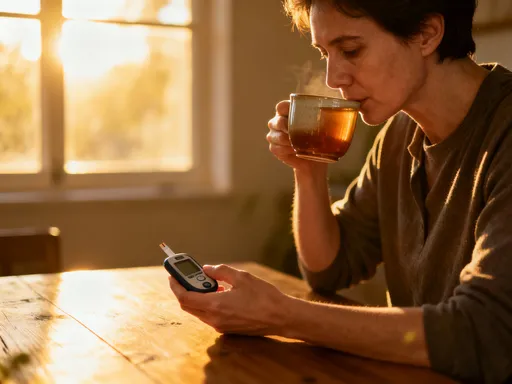
The second step was a warm evening drink. I chose caffeine-free herbal tea or warm milk with a pinch of cinnamon. The warmth was soothing, and the ritual signaled to my body that it was time to wind down. I avoided anything sugary or acidic, which could disrupt digestion or cause heartburn. This small act became a comforting anchor in my evening, something to look forward to as a transition from the busyness of the day to the quiet of night.
The third and most transformative habit was a 5-minute breathing exercise using the 4-7-8 method. I would lie in bed, inhale quietly through my nose for 4 seconds, hold my breath for 7 seconds, and exhale slowly through my mouth for 8 seconds. Repeating this cycle four times helped quiet my mind, especially on nights when thoughts raced about tomorrow’s to-do list or yesterday’s unresolved conversations. This practice didn’t require an app or guided meditation — just focus and consistency. Within two weeks, I was falling asleep faster and waking up less during the night. These three steps didn’t fix everything overnight, but they created a foundation for better sleep that I could build on.
Daytime Habits That Boost Nighttime Rest
I used to think sleep preparation began at night, but I’ve learned that it actually starts the moment you wake up. Morning sunlight exposure is one of the most powerful regulators of circadian rhythm. Within 30 minutes of waking, I began stepping outside for a 10- to 15-minute walk, no sunglasses, letting natural light reach my eyes. This simple act helps suppress melatonin and signals to the brain that it’s time to be awake. Even on cloudy days, outdoor light is significantly brighter than indoor lighting and effective for resetting the internal clock.
Physical activity also played a crucial role. Regular movement improves sleep quality by reducing stress and promoting deeper sleep. I incorporated daily walks, gentle stretching, or light yoga into my routine. However, I learned that timing matters — intense exercise too close to bedtime can be stimulating. I now avoid vigorous workouts after 7 PM, opting instead for calming activities in the evening. This balance helped me feel physically tired at night without being mentally wired.
Hydration was another factor I had to adjust. While staying hydrated supports overall health, drinking too much fluid in the evening led to nighttime bathroom trips that disrupted my sleep. I shifted most of my water intake to the morning and early afternoon, reducing liquids about two hours before bed. This small change significantly improved my sleep continuity. I also paid attention to caffeine — not just coffee, but tea, chocolate, and even some medications. I stopped consuming caffeine after 2 PM, giving my body enough time to metabolize it before bedtime. These daytime habits didn’t feel like restrictions; they became part of a rhythm that supported rest, not fought against it.
Tracking Progress: Using Real Signs, Not Just Apps
At first, I was tempted to buy a sleep tracker — a wearable device that promised to measure my sleep stages, heart rate, and oxygen levels. But I decided to start without one. Why? Because data can be misleading. A device might say I slept eight hours, but if I woke up feeling groggy, that number doesn’t reflect reality. Instead, I focused on subjective indicators — the real-life signs that told me my sleep was improving.
I asked myself simple questions each morning: Did I wake up without an alarm? Was I alert before drinking coffee? Could I focus on a task without feeling the urge to snack or nap? These markers were more meaningful than any chart or graph. I also noticed changes in my emotional resilience. I was less reactive, more patient with my family, and better able to handle daily stresses. My decision-making improved — I made fewer impulsive choices, especially around food. These benefits weren’t just about energy; they reflected deeper cognitive and emotional restoration.
Over time, I did try a sleep tracker, but only after I had established a baseline of how I felt. The data helped confirm what I already knew — that consistent bedtimes, morning light, and a screen-free evening were making a difference. But I never let the numbers dictate my self-worth. Some nights were still imperfect — a crying baby, a noisy neighbor, or a restless mind — and that was okay. Progress wasn’t about perfection; it was about direction. By focusing on real signs of well-being, I built confidence in my ability to listen to my body and respond with care.
Why This Matters Beyond Feeling Rested
Better sleep isn’t just about avoiding daytime fatigue — it’s about protecting long-term health. Chronic sleep deprivation is linked to an increased risk of serious conditions, including heart disease, type 2 diabetes, obesity, and cognitive decline. During deep sleep, the brain clears out toxins like beta-amyloid, a protein associated with Alzheimer’s disease. Poor sleep disrupts this process, potentially accelerating neurodegeneration. It also affects blood pressure regulation and inflammation, both of which play roles in cardiovascular health.
For women, especially those in midlife, sleep becomes even more critical. Hormonal changes during perimenopause and menopause often disrupt sleep, leading to hot flashes, night sweats, and insomnia. But improving sleep hygiene can ease these symptoms and support overall hormonal balance. I’ve learned that sleep is not a symptom to manage — it’s a system to support. The choices I make during the day directly influence how well I rest at night, and vice versa.
The most profound realization has been that sleep is an act of self-respect. In a culture that often glorifies busyness and burnout, choosing to rest is a quiet rebellion. It says that my well-being matters. For beginners, the shift doesn’t require a complete lifestyle overhaul. Start with one small change — a 10-minute walk in the morning light, a screen curfew, or a warm drink before bed. These actions compound over time, creating a ripple effect across all areas of life. Better sleep improves mood, focus, immunity, and resilience. It’s not a luxury — it’s a necessity, and one that every woman deserves to claim.
Sleep as a Daily Act of Self-Care
Adequate sleep is not passive downtime — it is an active investment in health. The signs were always there: the fatigue, the irritability, the frequent colds. I just hadn’t learned to listen. By tuning in, I didn’t just regain energy — I gained clarity, emotional balance, and a deeper connection to my body’s needs. Sleep became a daily act of self-care, as essential as eating well or moving my body.
If you’re just beginning this journey, know that you don’t need to be perfect. You don’t need expensive gadgets or a flawless routine. You need awareness and one small, consistent step. Let sleep be your quiet ally — not an afterthought, but a cornerstone of your well-being. The transformation may surprise you. It did for me.