How Flexibility Training Quietly Shields Your Body From Chronic Illness
You might think flexibility is just about touching your toes, but it’s actually a silent protector of long-term health. I started stretching daily not for fitness, but because my back ached and my energy dipped too soon. What I discovered surprised me—better mobility came with fewer aches, improved posture, and even steadier moods. Turns out, regular flexibility work does more than loosen muscles; it supports your body’s defense against chronic conditions. Let me show you how.
The Hidden Cost of Stiffness
Many people dismiss stiffness as a normal part of aging or the price of a busy life. Yet, tight muscles and restricted movement are more than mere inconveniences—they signal deeper imbalances that, left unaddressed, can evolve into long-term health challenges. When joints lose their full range of motion, the body compensates by placing extra stress on other areas. Over time, this leads to chronic pain, particularly in the lower back, neck, and knees. For women between 30 and 55, who often juggle work, family, and household responsibilities, the toll of constant physical strain can be quietly overwhelming.
Consider the simple act of bending to pick up a child or reaching for a high shelf. If your hamstrings are tight or your shoulders restricted, these everyday movements require more effort and place unnatural pressure on your spine and joints. This repeated micro-trauma can accelerate joint degeneration, increasing the risk of conditions like osteoarthritis. Studies suggest that reduced flexibility correlates with earlier onset of musculoskeletal disorders, especially in midlife. What begins as occasional stiffness may gradually limit independence and diminish quality of life.
Equally concerning is the impact of poor flexibility on circulation. Muscles act as secondary pumps, helping blood flow back to the heart. When they are chronically tight, this pumping action is impaired, contributing to poor circulation, swelling in the legs, and even higher blood pressure. Sedentary habits—common among working mothers or those with desk-based jobs—compound the problem. Without regular movement, blood flow slows, tissues receive less oxygen, and inflammation can build up silently over time.
The body sends signals through discomfort, but many women brush them aside, attributing stiffness to being “just tired” or “getting older.” Yet these signals are not to be ignored. Chronic stiffness is not an inevitable part of life—it is a modifiable risk factor. Addressing it early with simple, consistent flexibility training can help prevent a cascade of health issues. The good news? It’s never too late to begin. The body responds remarkably well to gentle, regular movement, even after years of inactivity.
Why Flexibility Matters Beyond the Stretch
Flexibility is more than a physical attribute—it’s a vital component of internal health. When you stretch, you’re not just lengthening muscles; you’re improving the function of your entire physiological system. At the cellular level, stretching increases blood flow to muscles and connective tissues, delivering essential nutrients and removing metabolic waste. This process reduces inflammation, a key driver of many chronic diseases, including heart disease, arthritis, and metabolic syndrome. Think of flexibility training as internal housekeeping—your body’s way of staying clean and efficient from the inside out.
Connective tissues, such as fascia and tendons, also benefit from regular stretching. Fascia, the web-like structure that surrounds muscles and organs, can become stiff and glued together when underused. This restricts movement and contributes to pain. Gentle, sustained stretching helps maintain fascial elasticity, allowing tissues to glide smoothly over one another. Improved fascial health supports better posture, reduces nerve compression, and enhances overall body awareness. It’s like oiling the hinges of a door—everything moves more easily when the system is well-maintained.
Another often-overlooked benefit is the effect of stretching on the nervous system. When muscles are tight, the nervous system can become hypersensitive, interpreting normal movement as a threat. This leads to increased muscle guarding and a cycle of pain and restriction. Regular stretching helps recalibrate this response, promoting relaxation and reducing the body’s tendency to overreact to movement. This is particularly valuable for women managing stress, as a calmer nervous system supports better sleep, mood stability, and resilience.
Additionally, improved flexibility enhances joint health by ensuring that each joint moves through its full range of motion. This stimulates the production of synovial fluid, the lubricant that nourishes cartilage and reduces friction. Healthy joints are less prone to wear and tear, lowering the risk of degenerative conditions. Unlike high-impact exercise, which can sometimes strain joints, flexibility training supports them gently and consistently. It’s a low-risk, high-reward practice that pays dividends over time, especially as we age and natural joint fluid begins to decline.
The Link Between Movement and Disease Prevention
A sedentary lifestyle is one of the most significant risk factors for chronic disease, and poor flexibility often goes hand in hand with inactivity. When the body remains still for long periods—sitting at a desk, driving, or watching television—metabolic processes slow down. Blood sugar regulation becomes less efficient, fat metabolism decreases, and circulation diminishes. These changes increase the risk of type 2 diabetes, cardiovascular disease, and obesity. Flexibility training, even in small doses, helps counteract these effects by stimulating movement and improving metabolic function.
Research shows that regular stretching can improve insulin sensitivity, helping the body manage blood sugar more effectively. This is especially important for women in midlife, as hormonal changes during perimenopause and menopause can increase insulin resistance. By incorporating daily stretching, women can support their metabolic health and reduce their risk of developing diabetes. Even five to ten minutes of movement after meals can enhance glucose uptake by muscles, preventing dangerous spikes in blood sugar.
Stretching also supports heart health. When muscles are flexible and circulation is improved, the heart doesn’t have to work as hard to pump blood. Studies have found that people who maintain good flexibility, particularly in the trunk and legs, tend to have lower blood pressure and healthier arteries. One study published in the American Journal of Physiology showed that older adults with greater flexibility had significantly better arterial elasticity, a marker of cardiovascular youth. This suggests that flexibility may be a simple but powerful indicator of heart health.
Moreover, flexibility training reduces systemic inflammation, a common thread in many chronic conditions. Chronic low-grade inflammation is linked to everything from arthritis to Alzheimer’s disease. By improving circulation, reducing muscle tension, and supporting the lymphatic system, stretching helps the body clear inflammatory markers more efficiently. It’s not a cure, but it’s a foundational practice that strengthens the body’s natural defenses. When combined with other healthy habits—like balanced nutrition and quality sleep—flexibility becomes part of a holistic strategy for long-term wellness.
Debunking the “I’m Too Old” or “Too Busy” Myth
One of the most common barriers to starting a flexibility routine is the belief that it’s too late or too time-consuming. Many women assume that if they didn’t start stretching in their twenties, their bodies are now “too stiff” to change. Others feel they don’t have the time to dedicate to exercise. These beliefs, while understandable, are based on myths rather than facts. The truth is that the body retains its ability to adapt at any age. Research consistently shows that older adults who begin flexibility training see significant improvements in range of motion, balance, and comfort—often within just a few weeks.
Take the example of women in their 60s and 70s who begin gentle stretching programs. Many report being able to tie their shoes without pain, reach the top shelf, or walk longer distances without stiffness. These improvements are not miracles—they are the result of consistent, low-intensity effort. The key is not intensity, but regularity. Just five to ten minutes a day, done consistently, can lead to meaningful changes. The body responds best to small, repeated stimuli rather than occasional intense sessions.
Time is another frequent concern. But flexibility training doesn’t require a gym membership or special equipment. It can be done at home, during commercial breaks, or while waiting for the kettle to boil. The goal is integration, not perfection. By linking stretching to existing habits—like brushing your teeth or watching the evening news—you make it part of your routine without adding extra burden. This habit stacking approach makes consistency achievable, even on the busiest days.
Mindset matters just as much as the physical act. Instead of viewing stretching as another task on an endless to-do list, reframe it as an act of self-care. It’s a moment to reconnect with your body, release tension, and invest in your long-term health. Women who adopt this perspective often find that stretching becomes something they look forward to, not something they force themselves to do. Over time, the benefits—less pain, more energy, better sleep—reinforce the habit, making it easier to maintain.
Simple, Sustainable Stretching Routines Anyone Can Do
Getting started with flexibility training doesn’t have to be complicated. A simple, effective routine can target the major muscle groups that tend to tighten with age and inactivity: hamstrings, hips, shoulders, and spine. The following sequence requires no equipment and can be done in about ten minutes. It’s suitable for all fitness levels, with modifications available for those with limited mobility or joint sensitivity.
Begin with a seated forward bend. Sit on the edge of a sturdy chair with feet flat on the floor. Inhale to lengthen the spine, then exhale as you hinge forward from the hips, reaching hands toward the toes. Keep the back straight and avoid rounding the shoulders. Hold for 20–30 seconds, breathing deeply. This stretch targets the hamstrings and lower back, areas that often contribute to back pain. If you can’t reach your toes, that’s fine—go only as far as feels comfortable.
Next, perform a seated spinal twist. Sit tall, place the right hand on the outside of the left knee, and the left hand on the chair back. Gently twist to the left, keeping the hips facing forward. Hold for 20–30 seconds, then switch sides. This improves spinal mobility and aids digestion by gently massaging internal organs. It’s especially helpful for those who sit for long periods.
For the hips, try a seated figure-four stretch. Cross the right ankle over the left knee, keeping the foot flexed. Gently press down on the right knee while sitting tall. You should feel a stretch in the right hip and glute. Hold for 20–30 seconds, then switch sides. Tight hips are common in women due to prolonged sitting and can contribute to lower back and knee pain.
Finally, open the shoulders with a doorway stretch. Stand in a doorway, place forearms on the frame at shoulder height, and step one foot forward. Lean gently into the stretch, feeling the chest and front of shoulders open. Hold for 20–30 seconds. This counteracts the rounded-shoulder posture many develop from computer use. Remember to breathe deeply throughout each stretch—oxygen helps muscles relax and lengthen.
When to Combine Flexibility With Other Movement Forms
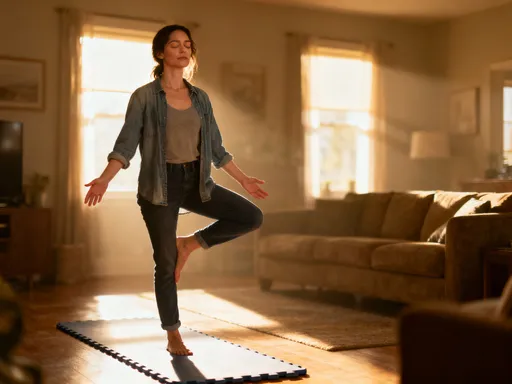
While flexibility training is powerful on its own, its benefits multiply when combined with other forms of movement. Stretching improves range of motion, but it doesn’t build strength or endurance. To create a well-rounded routine, pair flexibility work with low-impact activities like walking, yoga, or tai chi. These practices enhance balance, coordination, and muscular stability, reducing the risk of falls and injuries—especially important as we age.
Walking, for example, is a natural complement to stretching. It promotes circulation, supports heart health, and gently engages muscles and joints. A 20-minute walk after stretching allows the body to move through its newly gained range of motion, reinforcing the benefits. Similarly, yoga integrates flexibility, strength, and breath awareness, making it ideal for women seeking a holistic approach. Even gentle forms like restorative or chair yoga offer significant benefits without strain.
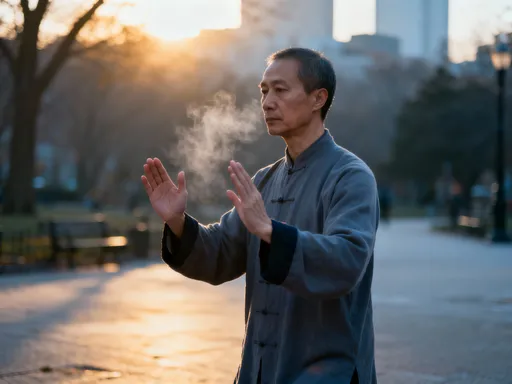
Tai chi, often described as “meditation in motion,” combines slow, flowing movements with deep breathing and mental focus. Studies show it improves balance, reduces stress, and enhances joint stability. For women managing anxiety or sleep issues, tai chi can be especially soothing. The combination of mental and physical engagement makes it a powerful tool for overall well-being.
The synergy between flexibility and other movement forms creates a protective effect. Strong, flexible muscles support joints more effectively. Better balance prevents falls. Improved circulation reduces disease risk. Together, these elements support long-term independence and vitality. The goal isn’t performance or appearance—it’s function, comfort, and resilience. By moving in varied, gentle ways, women can maintain their health and autonomy for years to come.
Building a Lifelong Habit: Mindset Over Motivation
Sustaining a flexibility practice isn’t about willpower—it’s about mindset. Motivation fades, but habits built on small, consistent actions endure. The key is to focus on progress, not perfection. Celebrate small wins: the first time you touch your toes, the day your back doesn’t ache after gardening, the moment you realize you’re standing taller. These quiet victories build confidence and reinforce the value of the practice.
Habit stacking—linking stretching to an existing routine—increases adherence. Stretch while the coffee brews. Do a few moves during your child’s homework time. Use TV commercials as stretch breaks. Design your environment to support the habit: keep a yoga mat visible, set a daily reminder, or stretch with a friend. These small strategies make consistency easier.
Equally important is self-compassion. Some days, you might skip stretching. That’s okay. The goal is long-term commitment, not daily perfection. Women who treat themselves with kindness are more likely to stay with the practice. Remember, this isn’t about achieving a certain look or performance level. It’s about honoring your body, listening to its needs, and investing in your future health.
Flexibility training is a quiet, powerful form of self-care. It doesn’t demand attention or dramatic effort, yet its effects ripple through every aspect of health. By making it a regular part of life, women can protect themselves from chronic illness, maintain independence, and move through the world with greater ease. It’s not just about how far you can reach—it’s about how well you can live.