How Exercise Quietly Transformed My Mental Health Journey
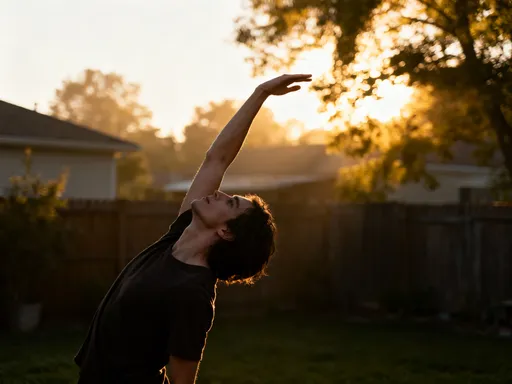
For years, I struggled with anxiety and low mood, thinking therapy alone would fix everything. But something shifted when I started moving regularly—not as punishment, but as care. Walking, dancing, lifting—each became a form of silent counseling. Science shows physical activity reshapes our brain chemistry. This is not about intense workouts; it’s about consistency, self-compassion, and how small movements build emotional resilience over time. What began as an experiment turned into a lifeline, revealing that healing isn’t only in the mind but also in the body. Movement didn’t erase my struggles, but it gave me tools to carry them differently.
The Gap in Traditional Psychological Counseling
Therapy has long been recognized as a cornerstone of mental health treatment, offering a safe space to explore thoughts, emotions, and past experiences. For many, including myself, talk therapy was the first step toward understanding inner turmoil. Yet, despite regular sessions and genuine effort, I often left feeling mentally clearer but physically heavier—like I had untangled my thoughts but left my body behind. This disconnect revealed a critical gap: while counseling excels at cognitive processing, it may not fully address the physical embodiment of stress and trauma.
Emotions are not only felt in the mind but stored in the body. Chronic anxiety can manifest as tight shoulders, shallow breathing, or a clenched jaw. Depression may show up as fatigue, heaviness in the limbs, or a slowed gait. These are not merely symptoms—they are somatic patterns, the body’s way of holding onto unresolved emotional energy. Traditional therapy, for all its strengths, often stops short of releasing these physical tensions. This is where movement steps in as a complementary force.
Physical activity acts as a bridge between mind and body, helping to discharge the nervous system’s accumulated stress. When I began incorporating gentle exercise into my routine, I noticed a shift not just in how I felt physically, but in how deeply my therapy sessions resonated. The insights I gained during counseling began to integrate more fully because my body was no longer resisting them. For example, after a session where I confronted a painful memory, a 20-minute walk allowed the emotional charge to move through me rather than get stuck in a loop of rumination.
Exercise does not replace therapy—it enhances it. It creates physiological conditions that support emotional regulation. When we move, we stimulate blood flow, oxygenate the brain, and activate the parasympathetic nervous system, which helps calm the body’s stress response. This physiological shift makes it easier to process difficult emotions without becoming overwhelmed. In my experience, the combination of talking and moving created a more complete healing cycle: I could name the pain in therapy and then release its physical grip through movement.
Why Movement Matters for the Brain
The connection between physical activity and brain health is well-supported by neuroscience. When we engage in movement—whether it’s walking, cycling, or stretching—our bodies release a cascade of neurochemicals that directly influence mood and cognitive function. Among the most important are serotonin, dopamine, and endorphins. Serotonin helps regulate mood, sleep, and appetite; low levels are commonly linked to depression. Dopamine is associated with motivation, reward, and focus. Endorphins, often called the body’s natural painkillers, contribute to feelings of well-being and can even produce a mild euphoria, sometimes referred to as a “runner’s high.”
These biochemical changes are not temporary fixes. Over time, regular exercise can lead to structural changes in the brain. One of the most significant findings in recent research is that physical activity increases the volume of the hippocampus, a region deeply involved in memory and emotional regulation. Chronic stress and depression have been shown to shrink this area, impairing its function. Exercise, even in moderate amounts, can reverse this effect, promoting neurogenesis—the growth of new brain cells. This means that movement isn’t just helping us feel better in the moment; it’s literally rebuilding our brains to be more resilient.
I didn’t fully grasp the extent of this transformation until I committed to a daily walking routine. At first, I did it out of obligation, following advice from my therapist. But within a few weeks, I began to notice something unexpected: my mental fog was lifting. Thoughts that once tangled into anxious spirals started to untangle. I could focus longer, make decisions more easily, and respond to challenges with greater calm. It was as if my brain had been running on a weak battery and suddenly had a steady charge. The change wasn’t dramatic, but it was undeniable—like static clearing from an old radio, allowing a clearer signal to come through.
Importantly, these benefits are not limited to intense or prolonged workouts. Studies show that even 20 to 30 minutes of moderate exercise, such as brisk walking, three to five times a week, can produce measurable improvements in mood and cognitive function. The key is consistency, not intensity. This was a relief to learn, as I had once believed that only rigorous gym sessions would “count.” Instead, I discovered that gentle, sustainable movement could be just as powerful, if not more so, in supporting long-term mental wellness.
Finding the Right Type of Exercise (Without Burnout)
One of the most common misconceptions about exercise and mental health is that harder is better. Many people assume that to see benefits, they must push themselves to exhaustion—sweating through high-intensity interval training or lifting heavy weights until their muscles tremble. But for someone already carrying the weight of anxiety, depression, or chronic stress, this approach can backfire. Pushing too hard too soon can overwhelm an already taxed nervous system, leading to burnout, injury, or a sense of failure that deepens emotional distress.
When I first tried to incorporate movement into my life, I made this mistake. I signed up for a challenging fitness class, believing that if I could just “get through it,” I would feel accomplished and stronger. Instead, I felt drained, sore, and discouraged. The experience reinforced my belief that exercise was something I “should” do, not something I could enjoy. It took time to realize that the most effective form of movement for mental healing isn’t about performance—it’s about presence.
I began experimenting with different types of activity, paying close attention to how each made me feel during and after. Yoga introduced me to the power of breath and gentle stretching, helping me reconnect with my body in a non-judgmental way. Walking in nature offered a sense of calm and perspective, especially when my thoughts felt chaotic. Strength training, when done at a manageable pace, gave me a sense of empowerment and stability. Dance, of all things, became a surprising source of joy—moving to music without rules or expectations allowed me to express emotions I couldn’t put into words.
What these activities had in common was not how many calories they burned, but how they made me feel: grounded, safe, and more connected to myself. The most effective exercises for mental health tend to be rhythmic, repetitive, and enjoyable—activities that engage the body without overloading the mind. They create a meditative state, similar to mindfulness, where attention is focused on movement rather than rumination. The goal isn’t to achieve a certain look or fitness level, but to cultivate a sense of internal harmony.
The lesson I learned was simple but profound: sustainability beats intensity. If an activity feels like a chore, it’s unlikely to become a lasting habit. But if it brings even a small sense of pleasure or relief, it has the potential to become a cornerstone of emotional well-being. The right type of exercise is the one you can return to again and again, not because you have to, but because it feels like a gift to yourself.
Building a Routine That Sticks
Motivation is fleeting. Anyone who has ever started a new habit knows that initial enthusiasm often fades within weeks. I’ve lost count of how many times I committed to “working out more,” only to abandon the effort when life got busy or my mood dipped. What I didn’t understand then was that willpower alone is not enough to sustain change. Lasting habits are built not on motivation, but on systems—small, intentional choices that make the desired behavior easier to perform consistently.
When I finally began to build a sustainable movement practice, I started with a principle: begin so small that it’s impossible to fail. Instead of aiming for 30-minute workouts, I committed to just five minutes a day. That was it—five minutes of stretching, walking, or gentle movement. To make it even easier, I anchored it to an existing habit: right after brushing my teeth in the morning. This tiny ritual removed the need for decision-making and reduced the mental resistance that often accompanies new habits.
I also shifted how I measured progress. Instead of tracking calories burned or miles walked, I paid attention to how I felt. Did I have a little more energy? Was my mood slightly brighter? Did I sleep better that night? These subtle shifts became my real indicators of success. Over time, I noticed that on days I moved—even briefly—I was less reactive to stress and more patient with myself and others. This internal feedback loop was far more motivating than any number on a scale or fitness tracker.
Consistency built confidence. As I showed up for myself day after day, even in small ways, I began to trust that I could keep my promises to myself. On difficult days—when anxiety was high or motivation was low—simply doing a few minutes of movement sent a powerful message: *I am still choosing myself.* This wasn’t about fitness; it was about self-respect. That mindset shift was transformative. It reinforced the idea that self-care isn’t selfish—it’s necessary. And over time, those five minutes often turned into ten, then twenty, not because I forced myself, but because my body began to crave the relief and clarity that movement provided.
When to Pair Exercise with Professional Support
While physical activity can be a powerful tool for mental well-being, it is not a substitute for professional care. There are times when emotional distress is too deep or persistent to be managed through lifestyle changes alone. Symptoms such as severe sleep disruption, overwhelming hopelessness, difficulty functioning in daily life, or thoughts of self-harm require immediate attention from a qualified mental health provider. Exercise can support recovery, but it cannot replace the expertise of therapy, medication, or other evidence-based treatments.
In my own journey, I continued seeing my therapist throughout the time I was building my movement practice. In fact, the two became synergistic. Therapy helped me understand the roots of my anxiety and develop coping strategies, while exercise helped regulate my nervous system and reduce the physical symptoms of stress. My therapist also provided a safe space to process emotions that surfaced during or after workouts—sometimes, movement would unlock feelings I hadn’t realized I was holding onto. Without professional support, I might have misinterpreted these emotions as setbacks rather than part of the healing process.
It’s also important to consult with a healthcare provider before beginning any new exercise routine, especially if you have pre-existing medical conditions or are taking medications that affect heart rate, blood pressure, or energy levels. A doctor can help determine what types and intensities of movement are safe and appropriate for your individual needs. This is not about restriction—it’s about empowerment. With the right guidance, you can create a plan that supports both physical and mental health without risk of harm.
The integration of movement and professional care is not about choosing one over the other, but about creating a comprehensive approach to well-being. Just as a house needs both a strong foundation and a sturdy roof, mental health care benefits from multiple layers of support. Exercise is one vital piece of that structure, but it works best when part of a larger, personalized strategy.
Overcoming Common Mental Blocks
One of the biggest barriers to starting—and sticking with—exercise is not physical limitation, but mental resistance. Thoughts like “I don’t have time,” “I’m too tired,” or “It won’t make a difference” are common, especially for those already struggling with low energy or motivation. These beliefs are not signs of weakness; they are natural responses to emotional overwhelm. The key is not to fight them head-on, but to gently reframe them.
Take the idea of time. Many of us feel stretched thin, juggling work, family, and household responsibilities. The thought of adding another task—even a healthy one—can feel impossible. But what if movement didn’t have to be a separate event? What if it could be woven into existing moments? Walking while on the phone, stretching during a TV commercial, dancing while cooking dinner—these small actions add up. Five minutes counts. Ten counts more. The goal isn’t perfection, but integration.
Then there’s fatigue. When depression or anxiety drains your energy, the idea of moving can feel absurd. But paradoxically, motion often generates energy. It doesn’t have to be vigorous—simply standing up, taking a few deep breaths, and rolling your shoulders can interrupt the cycle of stagnation. I learned to ask myself not “Do I want to move?” but “What small movement can I offer myself today?” That shift in language made all the difference. It turned exercise from a demand into a gesture of care.
Another common block is the belief that if you’re not doing it “right,” it doesn’t count. This all-or-nothing thinking keeps many people from starting at all. But mental health is not a performance. There is no “wrong” way to move when the goal is self-care. Even swaying to music in the kitchen, pacing while thinking, or gardening with intention can be forms of therapeutic movement. The body doesn’t care about labels—it only knows motion. And motion, in any form, sends a signal to the brain that you are alive, present, and taking care of yourself.
Long-Term Benefits Beyond Mood
The benefits of regular movement extend far beyond immediate mood improvement. Over months of consistent practice, I noticed changes in nearly every area of my life. My sleep, once fragmented and restless, became deeper and more restorative. I fell asleep faster and woke up feeling more refreshed. My ability to concentrate improved—I could read for longer periods, follow conversations more easily, and complete tasks without constant distraction. Even my relationship with myself shifted. I became less reactive to stress, more patient with setbacks, and more trusting of my own resilience.
Exercise taught me the value of patience and gradual change. Unlike quick fixes that promise instant results, physical activity reveals its rewards over time. It’s like tending a garden—you don’t see growth every day, but with consistent care, the plants eventually bloom. This slow, steady progress helped me develop a deeper sense of self-trust. I learned that I didn’t have to force change; I could simply show up and let it unfold.
Perhaps the most profound shift was in how I viewed self-care. I used to think of it as something indulgent or optional—something to do only when everything else was taken care of. But movement taught me that self-care is not a luxury; it’s a foundation. When I prioritize my well-being, I show up as a better partner, parent, friend, and human being. I have more compassion, more energy, and more presence to give to the people and activities I care about.
Looking back, I wish I had started sooner. But what matters is that I did start—and kept going. Healing is not a straight line, and there have been days when I’ve skipped movement, felt discouraged, or questioned its value. But each time I returned, even for just a few minutes, I reaffirmed my commitment to myself. That consistency, more than any single workout, has been the true source of transformation. Exercise didn’t fix me—but it helped me remember that I was worth the effort all along.